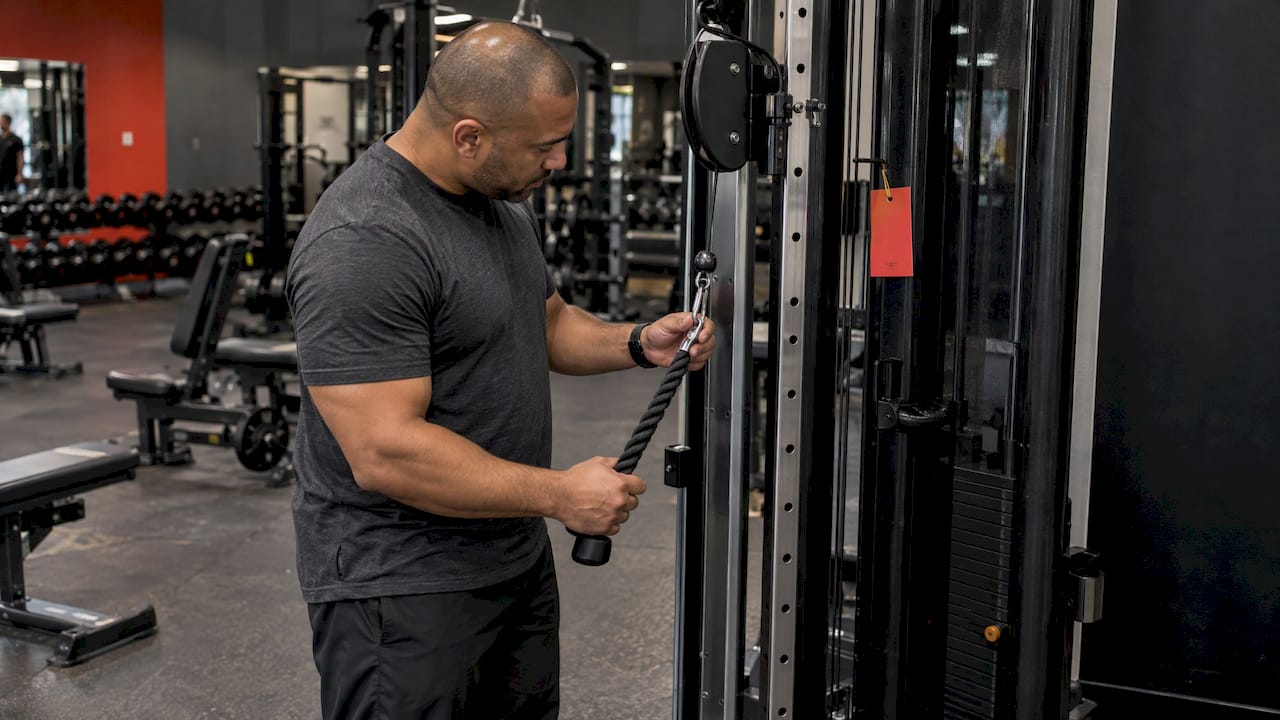
Gym Compliance Checklist: What to Inspect, Log and Fix

A gym compliance checklist has five parts: floors and facility, equipment condition, cleaning and hygiene, safety readiness (first aid, exits, accessibility), and records. Each part runs on a schedule and leaves a signed log. The checks are simple. Most gyms fail on proof, because the work gets done but nobody wrote it down. This guide gives you the tasks, the cadence, the federal rules behind them and a way to keep the paper trail.
Getfitnessflow
Keep Gym Operations Organized
Fitness Flow brings gym scheduling, billing, sales and member engagement together in one platform, reducing the need for multiple software subscriptions.
TL;DR
- Split your checklist into daily, weekly, monthly and annual tasks, and assign each one to a named role.
- Inspect floors, equipment and exits every day. Tag anything broken “Do Not Use” and record that you did.
- Federal rules such as OSHA’s first aid standard and ADA Title III apply nationwide. Fire, plumbing and health rules vary by state and town.
- A check without a dated, signed record is hard to defend after an injury or an inspection.
- Keep incident reports factual, review them quickly and track each corrective action to closure.
Table of Contents
- What a gym compliance checklist should cover
- Daily checks: floors, equipment and exits
- Weekly, monthly and annual tasks
- Cleaning and hygiene checklist
- Federal rules that sit behind the checklist
- Records: log it, tag it, close it
- Other records gym owners often miss
- A sample weekly compliance rhythm
- Our perspective
- Run your checklist from one platform
- FAQ
- Sources
What a gym compliance checklist should cover
Think of compliance as four questions you must be able to answer at any moment. Is the space safe to walk through? Is every machine safe to use? Is the place clean? Can you prove it?
The National Strength and Conditioning Association (NSCA) publishes an exercise facility and equipment safety checklist. It covers scheduled cleaning and disinfection, flooring and equipment condition checks, and removing or signing broken equipment. Use it as a base and add the items your building, state and insurer require.
A workable checklist has these sections:
- Floors and walkways. Clean, dry, free of trip hazards.
- Equipment. Good repair, working order, no frayed cables or loose hardware.
- Cleaning and hygiene. Surfaces, locker rooms, drinking water, waste.
- Emergency readiness. Exits, first aid supplies, trained staff.
- Accessibility. Routes, equipment spaces and restrooms members with disabilities can use.
- Records. Logs, incident reports, corrective actions.
If you also want the equipment side in more depth, our gym maintenance checklist goes through daily, weekly and annual care task by task.
Daily checks: floors, equipment and exits
Daily checks take the least time and prevent the most injuries. Run them before opening and again at a mid-day walk-through if you are staffed.
Floors and walkways
Flooring is the first item on most professional checklists. NSCA’s daily tasks include inspecting all flooring for damage or wear, then cleaning and disinfecting it. A university gym safety checklist from Florida Tech asks whether

Daily floor checks:
- Wet spots near water fountains, entrances and locker rooms
- Loose or lifting rubber tiles, torn turf, cracked platforms
- Cables, bands, plates and bags left in walkways
- Clear aisles between machines and around racks
Equipment condition
The same Florida Tech checklist requires that all equipment is in good repair and working order, and that unsuitable equipment is flagged, repaired or removed. It cites the OSHA General Duty Clause, section 5(a)(1).
A daily equipment walk covers:
- Frayed or worn cables and visible wiring
- Loose bolts, pins and collars
- Torn or ripped upholstery that exposes foam or frames
- Treadmill belts that slip or drift, and emergency stops that fail to respond
- Benches and racks that wobble
When something fails, take it out of service and tag it. NSCA lists removing broken equipment, or placing a sign on it, as a standard task.
Exits and egress
Exits must stay open and unobstructed. A town example: Milford, Massachusetts requires exits and means of egress to be maintained safely and unobstructed. Your own jurisdiction sets the exact fire code, but the daily habit is universal. Check that exit doors open, signs are visible and nobody has stacked mats or plates in front of them.
Weekly, monthly and annual tasks
Not everything needs a daily look. NSCA’s checklist sets a rhythm: daily tasks, cleaning and lubrication of aerobic machines and selectorized guide rods two or three times a week, weekly ceiling dusting, and as-needed items such as replacing bulbs and cleaning walls. Its policies and procedures manual describes the cadence this way:
FrequencyTypical tasks
Daily
Clean and disinfect equipment, clean mirrors and windows, inspect floors
Weekly
Check equipment for wear and tear, lubricate guide rods, mop and disinfect floors
Monthly
Inspect cables, floors and walls for damage
Annual
Technician service appointment for cardio and selectorized equipment
Add the manufacturer’s own schedule on top. Allianz Commercial’s risk guidance for fitness equipment advises keeping a copy of the manufacturer’s maintenance schedule and following it for the life of the equipment, with documentation of inspections and maintenance.
For machine-by-machine detail, see our gym equipment maintenance schedule.
As-needed tasks people forget
NSCA also lists tasks that depend on condition rather than the calendar:
- Replace burned-out light bulbs
- Replace damaged or missing ceiling tiles
- Clean open ceilings with exposed pipes and ducts
- Clean walls
- Fill chalk boxes
- Remove rust and clean knurling on bars with a rust-removing solution
Put these on a rolling list. Staff who notice a problem add it, and a manager assigns it.
Cleaning and hygiene checklist
Cleanliness is both a member experience issue and a compliance issue, because many local health codes expect written procedures and records.
NSCA’s routine cleaning list includes:
- Inspect, clean and disinfect flooring daily
- Clean and disinfect upholstery and drinking fountains
- Clean and disinfect equipment surfaces that touch skin
- Clean mirrors and windows
- Remove trash and keep shared surfaces clean
Local rules can go further. Milford, MA requires staff hygiene and sanitation training and a standard operating procedure on file for cleaning. It also requires cleaning and disinfection records for the whole gym, including offices and toilets, plus a potable drinking water source at all times. The same regulations call for toilets, hand sinks and showers as required by the Massachusetts Plumbing Code.
You may not operate in Massachusetts, but the pattern is a good model: written procedure, trained staff, dated records. Ask your city or county health department what applies to you.
Federal rules that sit behind the checklist
Three federal frameworks touch almost every U.S. gym. None replaces state or local law, and none makes this article legal advice. For your specific facility, talk to an attorney or your insurance carrier’s risk advisor.
OSHA and first aid
If you have employees, OSHA applies. Its first aid standard, 29 CFR 1910.151, requires the employer to ensure ready availability of medical personnel for advice and consultation. Where no nearby infirmary, clinic or hospital is used for injured employees, it requires adequate first aid training and adequate first aid supplies that are readily available.
For a checklist, that translates to:
- A stocked first aid kit in a known, unlocked spot
- Staff on each shift trained in first aid, and a record of who and when
- A posted emergency plan with the address members should give to 911
- A monthly check of kit contents and expiry dates
Our guide to OSHA requirements for gyms shows which records to keep so they are ready if an inspector asks.
ADA accessibility
Gyms are places of public accommodation. According to the Department of Justice’s complaint against a national gym chain, Title III of the ADA prohibits disability discrimination in

Two points belong on your checklist:
- New builds and alterations. Under 28 CFR 36.401, facilities designed and constructed for first occupancy after January 26, 1993 must be readily accessible to and usable by people with disabilities, with limited exceptions such as structural impracticability.
- Design standards. The ADA accessibility guidelines in 36 CFR Part 1191 set the scoping and technical requirements applied when sites and buildings are designed, built, added to or altered.
Monthly accessibility checks are cheap: Is the accessible route clear of equipment? Do automatic doors work? Is an accessible restroom unlocked and stocked? Is at least one machine usable by a person in a wheelchair, with clear floor space? Our post on practical, low-cost ADA fixes for gyms walks through the common ones.
What varies by state and town
Fire code, plumbing code, health department sanitation rules, pool and spa rules, and licensing differ by jurisdiction. The Milford regulations above show how specific a town can get. Before you finalize your checklist, call your local fire marshal and health department and ask which codes and inspections apply, how often they inspect and which records they want on site.
Records: log it, tag it, close it
A task done but not recorded is a task you cannot prove. Records are where checklists earn their value.
The daily equipment log
Milford’s rules are a clear model. Staff inspect equipment for worn or frayed cables, wiring, walking surfaces, loose bolts and torn upholstery. Damaged equipment gets a “Do Not Use” tag. A daily log sheet is signed to verify the inspection and to note items taken out of service.
Your log should capture:
- Date and time of the check
- Name or initials of the person who did it
- Items inspected and result
- Items tagged out of service, and why
- Date repaired and who repaired it
Incident reports
When someone gets hurt, the first report matters most. Recreation-facility guidance on incident reporting says a report should capture the date and time, exact location, an objective description, who was involved, injuries observed, response actions, environmental factors and supporting evidence such as photos. It also advises sticking to facts: no speculation, no assigning blame and no medical diagnoses in the initial report.
Then the report should start a workflow: review within 24 hours, investigation, corrective actions, documentation of those actions and a closing note to the person who reported it. Our gym incident reporting templates and workflow give you a form to start from.
If you have employees, injuries to staff may also need to go on OSHA recordkeeping forms. New Jersey’s public-sector program guidance, for example, says employers must decide within seven calendar days of learning about a case whether it is recordable. That specific rule applies to employers under that program, so confirm the deadlines that apply to your business.

Corrective action tracking
Finding a hazard is half the job. Track each one with an owner, a due date and a closing date. A broken cable machine tagged on Monday and still tagged three weeks later is a record that works against you. Review open items weekly in a manager meeting.
Other records gym owners often miss
Compliance is not only physical. Members hand you personal and health information, and you contact them by text and email.
- Health screening. If you collect pre-activity screening, store the forms. See our walkthrough of the PAR-Q+ form for gyms.
- Text message consent. Marketing texts need documented consent. Our list of SMS consent items U.S. gyms must collect shows what to keep.
- Staff access. Limit who can see billing and member data. Our least-privilege role templates show a simple way to do it.
- Waivers. Keep signed waivers retrievable by member and date.
A sample weekly compliance rhythm
Here is how a small gym can fit all of this into normal operations without a compliance department.

Opening shift (10 to 15 minutes): Walk floors and exits, test the treadmill emergency stops, check upholstery and cables, sign the daily log.
Closing shift (15 minutes): Clean and disinfect equipment surfaces, floors and fountains, empty trash, restock sanitizer, sign off.
Weekly (30 minutes, manager): Review the log for gaps, lubricate guide rods and aerobic machines on schedule, check ceiling fixtures, review open corrective actions and incident reports.
Monthly (45 minutes, manager): Inspect cables, walls and floors in detail, check first aid kit contents, walk the accessible route, confirm staff training records are current.
Annually: Book technician service for cardio and selectorized equipment, review your emergency plan, and ask your insurer and local officials whether requirements have changed.
Our perspective
Most gym owners we talk to do the work. The floors get mopped, the broken bench gets taped off, the first aid kit exists. What goes missing is the trail: a paper log on a clipboard that nobody can find, a waiver in a folder, an incident note in someone’s phone.
We built Fitness Flow to run the whole gym from one platform, so tasks, staff roles, waivers, member records and reporting live in one place instead of across five subscriptions. Our view is that compliance should be a by-product of daily operations, not a separate chore. When the checklist, the waiver and the staff permissions sit in the same system as scheduling and billing, the proof exists the moment the work is done.
Our own customer results point the same way: we report an average 27% increase in member retention and about 12 hours saved on administrative tasks each week. Time you stop spending on paperwork goes to the floor, and members notice a facility that is clean, safe and well run.
Louis
Run your checklist from one platform
Fitness Flow is gym management software that covers scheduling, billing, CRM, waivers, employee and role management, compliance tools, facility management and reporting in one place, with a fully branded member app on top. Plans are tiered by gym size: Solo is $149 per month and Studio is $349 per month, and Multi-site has no published price. See the plans on the Fitness Flow site or read how it works for modern gyms.
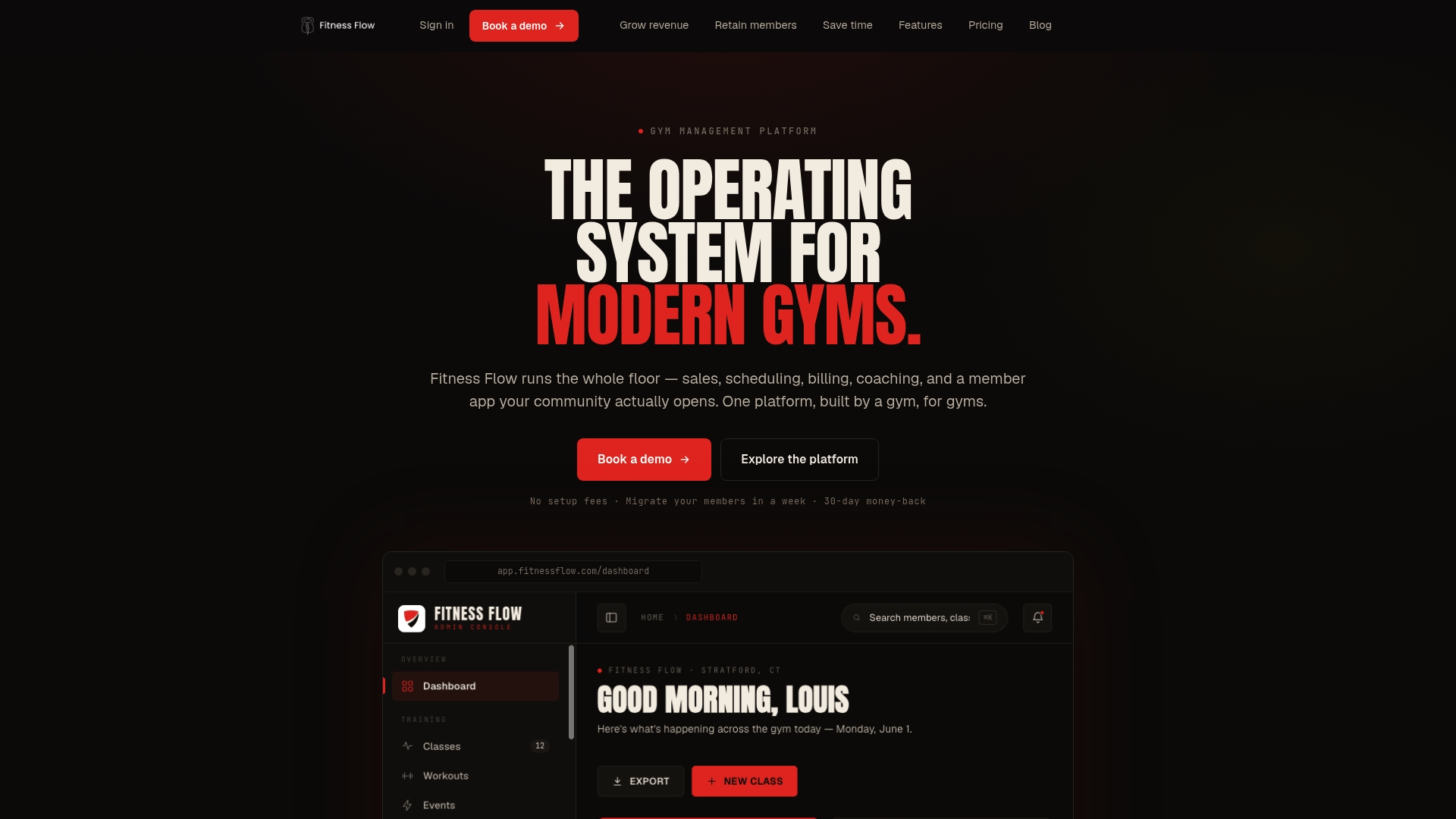
If your team is new to the software, our gym software training pillars help you roll it out without flooding support.
FAQ
How often should a gym be inspected?
Floors, exits and equipment get a daily look. Weekly tasks cover wear and tear, lubrication and mopping, monthly tasks cover cables, floors and walls, and cardio and selectorized equipment get an annual technician visit, following the NSCA cadence. Always follow the manufacturer’s schedule too.
Does OSHA apply to my gym?
If you have employees, yes. The first aid rule, 29 CFR 1910.151, is one example: it calls for available medical advice, first aid training and supplies where no clinic is nearby. Which other OSHA standards apply depends on your operations, so confirm with OSHA or a safety consultant.
What records should I keep?
Keep dated, signed inspection logs, cleaning and disinfection records, equipment service records, incident reports with corrective actions, staff training records and signed waivers. Insurer guidance also advises documenting inspections and maintenance.
Do local rules differ from federal ones?
Yes. Fire, plumbing and sanitation requirements are set by states, counties and towns, and some towns publish gym-specific regulations. Ask your local fire marshal and health department which apply to you.
Is a free checklist template enough?
A template is a good start. It works once you adapt it to your equipment, building and local rules, assign each task to a role, and record every completed check.
Sources
- NSCA exercise equipment and facility safety checklist
- NSCA strength and conditioning policies and procedures manual
- Allianz Commercial fitness equipment maintenance and inspection guidance
- Milford, MA gym regulations
- OSHA first aid standard, 29 CFR 1910.151
- 28 CFR 36.401, new construction
- 36 CFR Part 1191, ADA accessibility guidelines
- NJOSH-300 recordkeeping guidance